
Aluminium CNC Machining in Bristol
RK Precision Ltd provides aluminium CNC machining for Bristol businesses requiring accurately manufactured components, prototypes and repeat production parts. From our Camberley workshop, we combine CNC milling and turning with practical engineering support, helping customers turn drawings and specifications into finished aluminium components.
Get A Free Quote
Precision Aluminium CNC Machining for Bristol Businesses
At RK Precision Ltd, we manufacture aluminium components for Bristol businesses that need dependable machining and a clear understanding of their requirements. Whether you are developing a new product, replacing a bespoke part or arranging a production batch, we assess the component carefully before recommending a suitable manufacturing approach.
Aluminium offers a useful balance of low weight, machinability and corrosion resistance, although the right grade depends on the application. Our engineers consider the specified material alongside the dimensions, tolerances and finish. This helps establish how the part should be machined and which features require particular attention during production.
We support one-off components, development work and repeat orders, producing parts such as mounting plates, brackets, housings, spacers and fixtures. Some designs involve straightforward profiles, while others combine pockets, threads and accurately positioned holes. Each enquiry is reviewed against the drawing and intended function, rather than relying on a standard approach.
For customers in Bristol, our nationwide service provides access to the wider capabilities of RK Precision Ltd. Send your drawings, quantities and required timescale, and our team can discuss feasibility, clarify outstanding details and prepare a quotation based on the work involved.

Lightweight Aluminium Components for Bristol Engineering Projects
Keeping component weight under control can be important when designing machinery, equipment and assembled products. Aluminium is often considered for parts that need practical strength without the weight of some alternative metals. Its suitability still depends on the loads, operating conditions and material specification.
RK Precision Ltd manufactures aluminium parts for Bristol customers with varied engineering requirements. A mounting bracket may need accurately located fixing holes, while an enclosure might require internal pockets, a removable cover and clean external faces. A fixture plate may depend on flatness and consistent feature positions to support the equipment used alongside it.
We look at how these details work together. Wall thickness, threaded connections, mating surfaces and access for cutting tools can all influence the machining approach. Discussing these points before production helps identify features that need clarification and avoids assumptions about how the finished part will be used.
Our precision parts manufacturing service supports customers who need several features brought together in one component. Whether your project involves a single development part or a recurring requirement, we can review the specification and discuss the next steps.
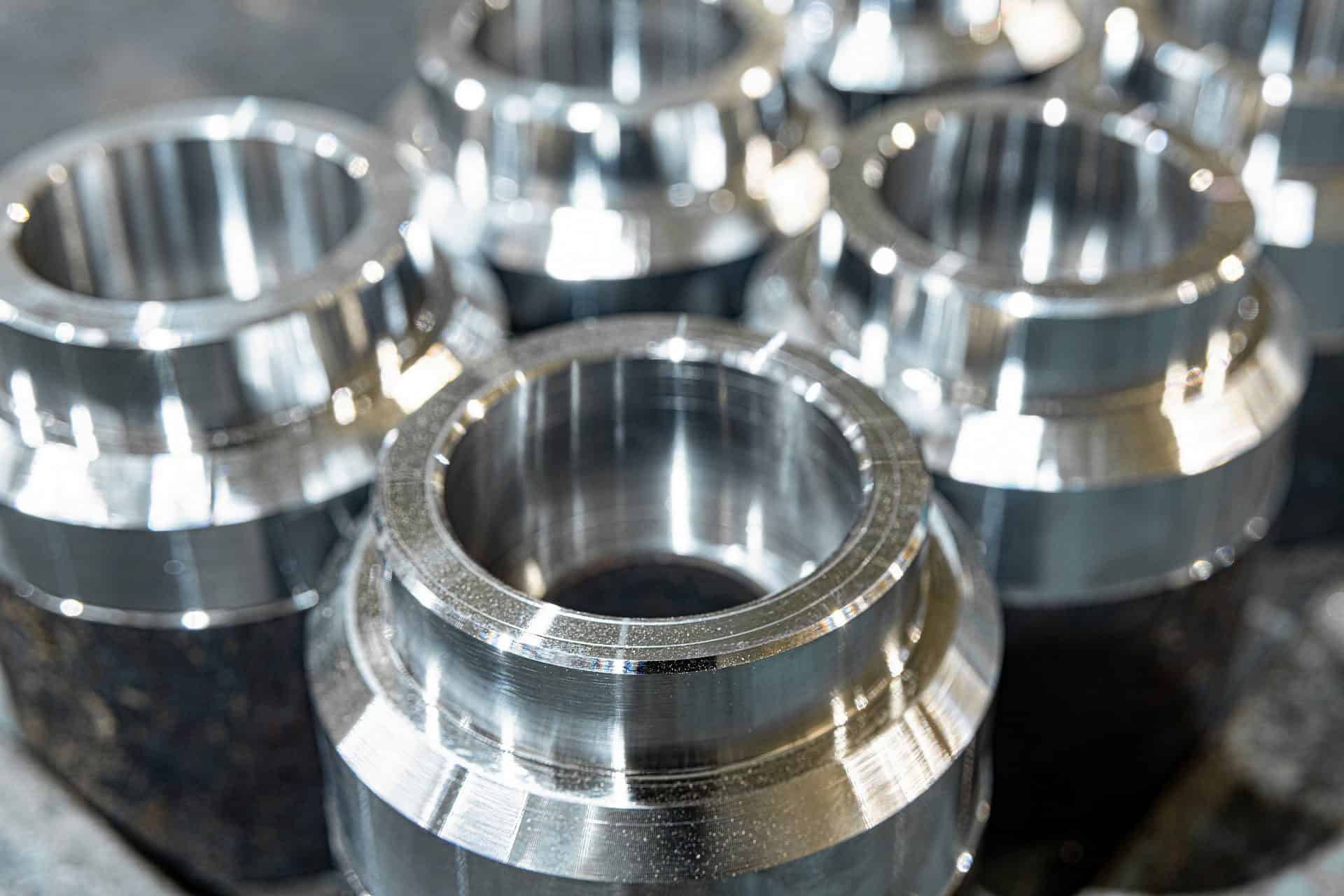
CNC Milling and Turning for Bespoke Aluminium Parts
The shape of an aluminium component determines which machining processes are needed. Milling is commonly used to produce flat faces, profiles, pockets, slots and detailed features. Turning is generally suited to components built around a central axis, including bushes, sleeves, collars, shafts and spacers.
Our CNC milling capabilities allow us to machine aluminium components with multiple faces and accurately positioned features. For a housing or mounting block, this could involve machining the outside profile, removing material from internal pockets and preparing holes for assembly. Tool access and the relationship between features are considered when planning the work.
Our CNC turning service supports round components requiring controlled diameters, shoulders, grooves or threaded features. Some parts also need additional milling or drilling, particularly where a cylindrical component includes flats, cross-holes or fixing points. The full drawing helps establish the operations required.
For Bristol customers, we can assess these requirements together and discuss a practical production route. Where a design combines several processes, careful setup and inspection help maintain the relationship between its features. We review the specified tolerances and finish before manufacture, so the quotation reflects the component you need rather than an incomplete outline of the work.

Why Choose RK Precision Ltd for Aluminium Machining?
Choosing an aluminium machining supplier means finding a team that understands what your component needs to achieve. At RK Precision Ltd, we combine CNC manufacturing capabilities with an attentive approach to drawings, specifications and customer communication. Our focus is on understanding the work before production begins.
We support prototypes, bespoke replacement parts and repeat component orders. From our Camberley workshop, we serve businesses nationwide, including customers in Bristol. You can discuss your material requirements, critical dimensions, quantities and deadlines directly with our team, helping establish what is needed for a meaningful quotation.
Our engineering team brings experience across milling, turning and component manufacture. We consider the relationship between the design, machining process and finished part, with inspection forming an important part of production.
If you need aluminium CNC machining for a Bristol project, contact our team. Send the information you have available, and we will review your requirements and explain the next steps.

Frequently Asked Questions
A machining drawing should show the component’s dimensions, material grade, relevant tolerances and any required threads or surface finishes. Identify critical features, such as mating diameters or hole positions, and include a drawing revision so everyone works from the same information. A CAD model can help explain the shape, but important manufacturing requirements should also be clearly documented. Bristol customers can send RK Precision Ltd their available files for review, together with quantities and the required completion date.
Yes, RK Precision Ltd supports prototypes and small batches as well as repeat production. An initial batch can help you assess fit, assembly and performance before committing to a larger quantity. If changes are required after testing, update the drawings and revision details before further machining is agreed. Let us know the initial quantity and likely future requirement when enquiring, so we can consider both stages. Any subsequent production order will be reviewed against the approved specification.
The aluminium grade should reflect the component’s function, working environment and manufacturing requirements. Strength, corrosion resistance, machinability and any intended finishing process can influence the choice. Different grades have different properties, so aluminium should not be treated as one interchangeable material. If your drawing already specifies a grade, include it with the enquiry. Where the material has not been decided, explain how the part will be used so our engineers can discuss suitable options for your application.
Yes, a single aluminium component can require several machining processes. For example, a turned sleeve might also need milled flats and cross-holes, while a housing could combine pockets, fixing holes and accurately finished bores. RK Precision Ltd reviews the complete design to establish the necessary operations. Our CNC drilling service supports accurately positioned holes as part of wider component manufacture. The machining approach depends on the geometry, material, tolerances and relationship between the individual features.
The price depends on the material, component size, design complexity, quantity and machining time. Setup, tooling, inspection and finishing requirements can also affect the quotation. Features that require additional operations or particularly demanding tolerances may involve more work. A larger batch can spread some setup costs across more parts, although the saving varies by project. Send RK Precision Ltd your drawings and quantities for an individual quotation, and mention any alternative batch sizes you would like us to consider.
Tolerances and surface finishes should be defined before manufacturing begins. The drawing should identify dimensions that are critical to fit or function, together with any specified surface roughness or treatment. Requirements can differ between a visible external face and an internal mating surface. RK Precision Ltd reviews the specification and discusses points that need clarification before agreeing the work. For Bristol enquiries, include these details with your files so feasibility, inspection requirements and pricing can be assessed accurately.